



















GRAPHICS ARCHIVE
Visual identity systems, interface graphics, vector compositions, HUD elements, and thematic digital assets developed for interactive software and web environments.
VISUAL IDENTITY & BRANDING
Cohesive Visual Systems
Branding, typography integration, ornamental composition, and scalable identity design across multiple interface contexts.
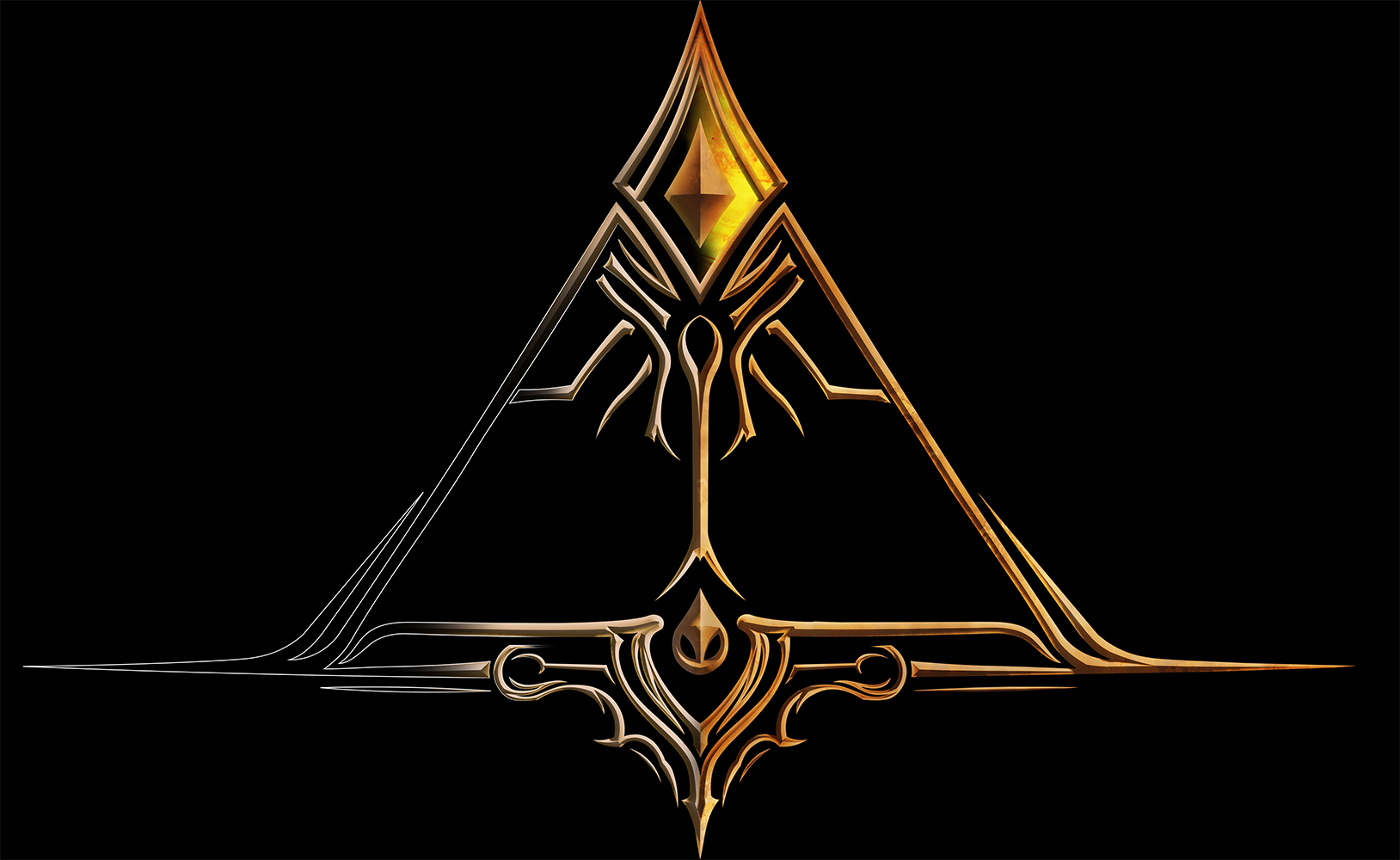
My graphics work focuses primarily on visual cohesion, interface readability, thematic branding, and modular design systems developed for interactive digital environments.
Rather than treating logos, UI elements, typography, and decorative assets as isolated components, I generally approach them as parts of a larger visual language intended to remain stylistically consistent across an entire project or interface structure.
The work presented here combines vector construction, texture compositing, typography integration, HUD design, ornamental framing, sprite adaptation, and atmosphere-oriented graphic treatment across settings such as fantasy and science-fiction aesthetics.
Much of my process revolves around balancing functionality with presentation — ensuring that interface systems remain readable and responsive without losing their thematic identity.
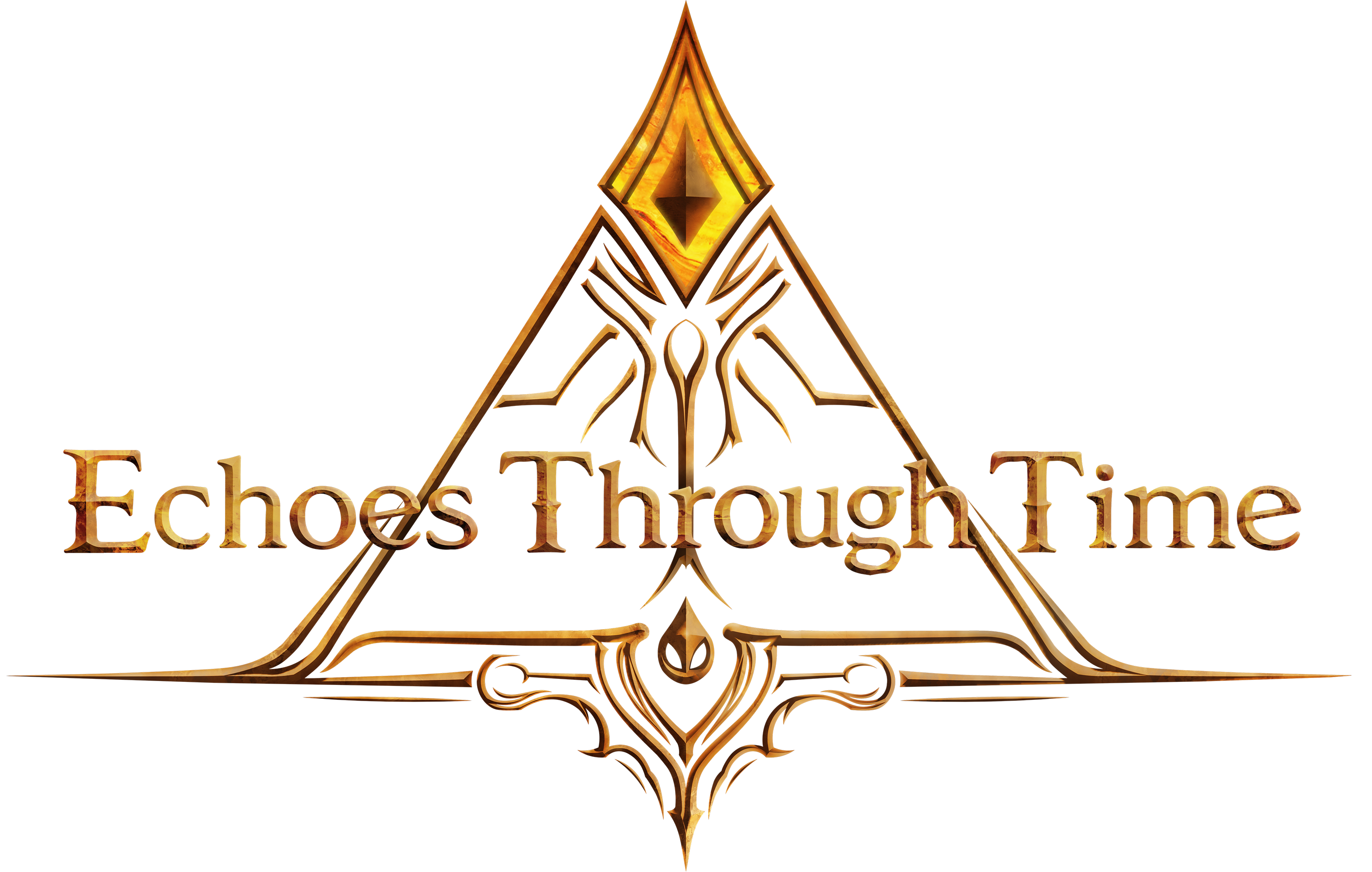
Branding and identity work often begins with relatively minimal vector structures which gradually evolve through lighting treatment, material layering, typography integration, and ornamental refinement.
Particular attention is usually given to silhouette clarity, thematic consistency, scalability across layouts, and the relationship between typography and surrounding visual structures.
Different projects also call for different visual languages. Some systems rely on heavily textured and atmospheric compositions inspired by fantasy or historical aesthetics, while others favor cleaner geometric structures, restrained palettes, and more minimal interface-oriented presentation.
In both cases, the goal remains the same: creating recognizable and internally consistent visual identities that support the broader atmosphere of the project they belong to.
INTERFACE & HUD DESIGN
Functional Interface Graphics
Readability-focused UI systems combining thematic presentation, modular construction, and motion-oriented vector design.
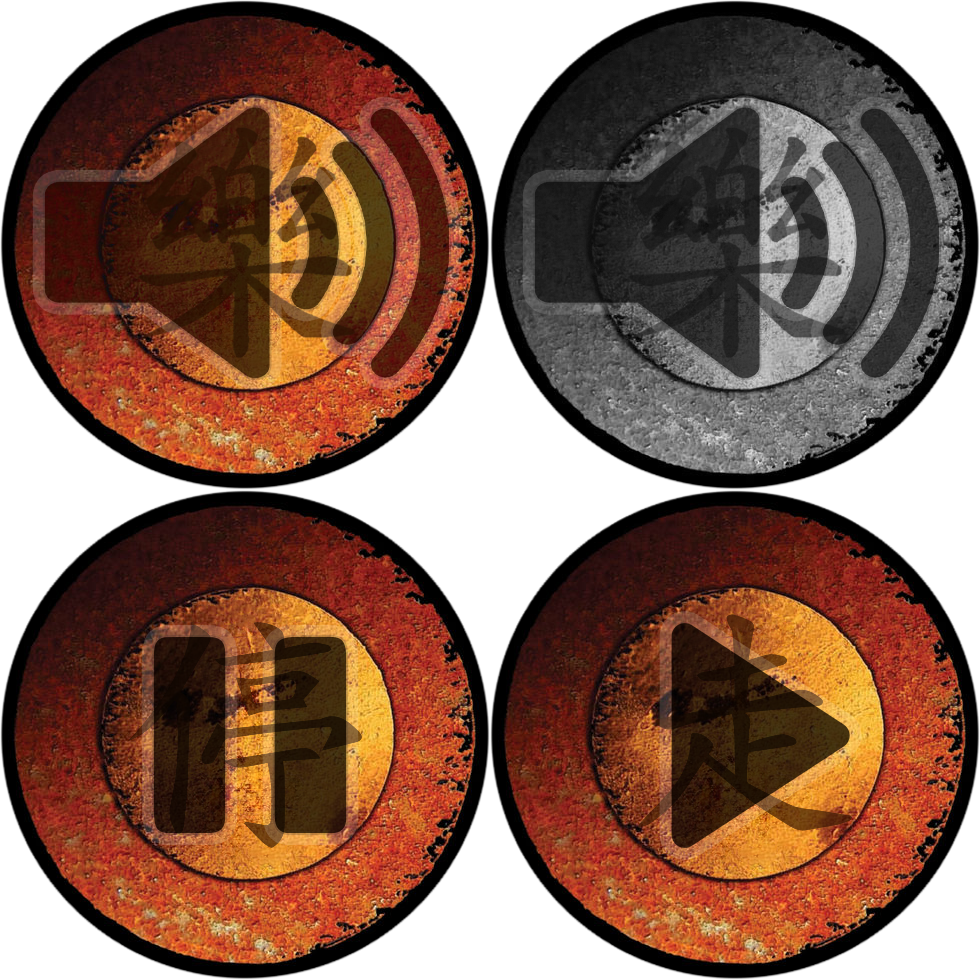
Interface work focuses heavily on readability, hierarchy, and thematic integration.
HUD elements, interactive buttons, overlays, and navigational systems are designed not only to communicate functionality clearly, but also to feel visually native to the environments they inhabit.
This often involves combining texture work, symbolic motifs, restrained color systems, and typography treatment in ways that preserve clarity without sacrificing atmosphere.
Alongside more ornamental interfaces, I also work with cleaner vector-based graphic systems centered around precision geometry, modular construction, and motion-oriented composition.
Several HUD and tech elements used throughout this portfolio originate from individually constructed SVG-based segments designed to function both independently and as layered animated systems.
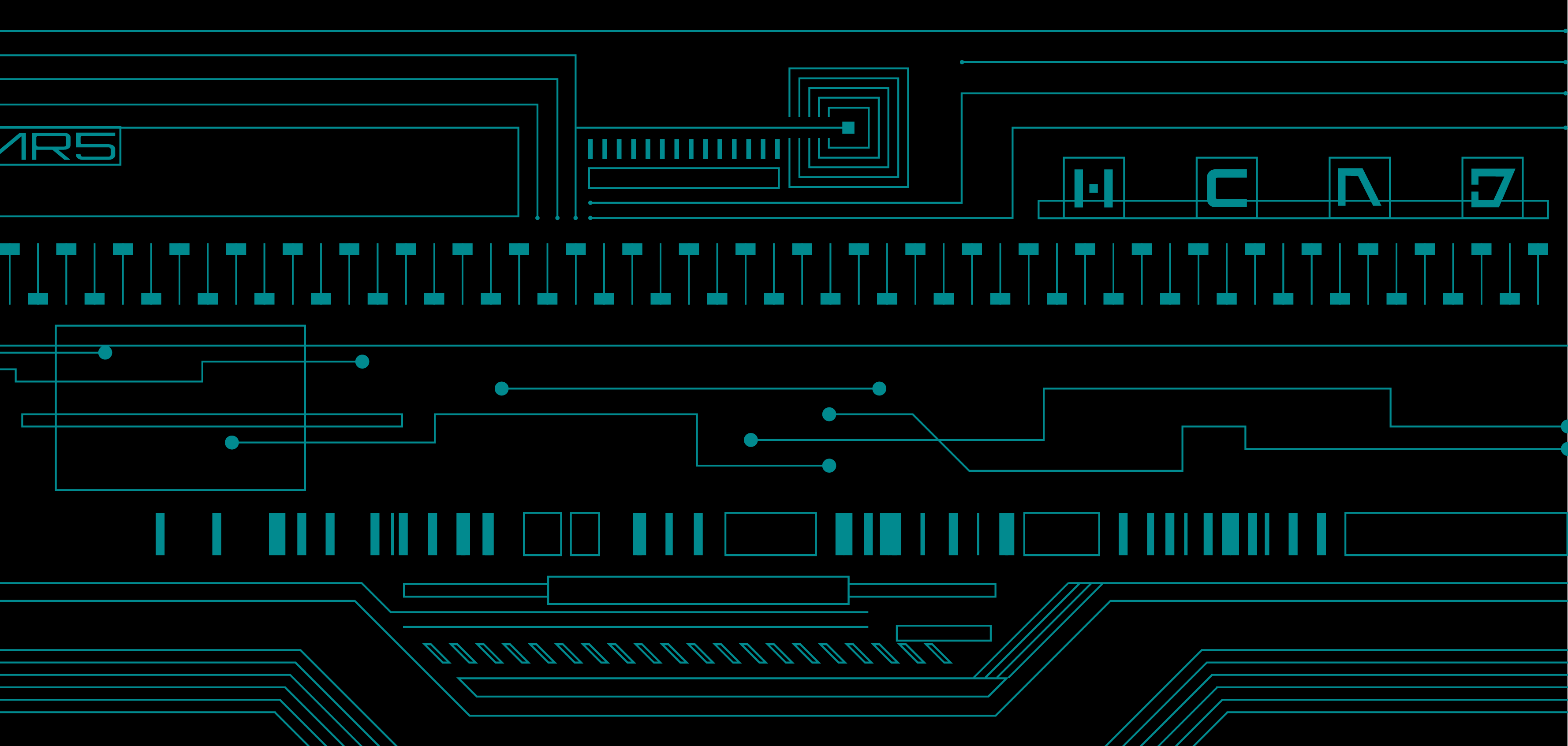
This approach allows complex animated structures to emerge from relatively simple reusable graphic foundations while maintaining consistency across scaling and animation states.
GAME & ENVIRONMENTAL ASSETS
Interactive Visual Assets
Sprite systems, thematic UI containers, environmental overlays, and gameplay-oriented interface graphics developed for cohesive interactive presentation.
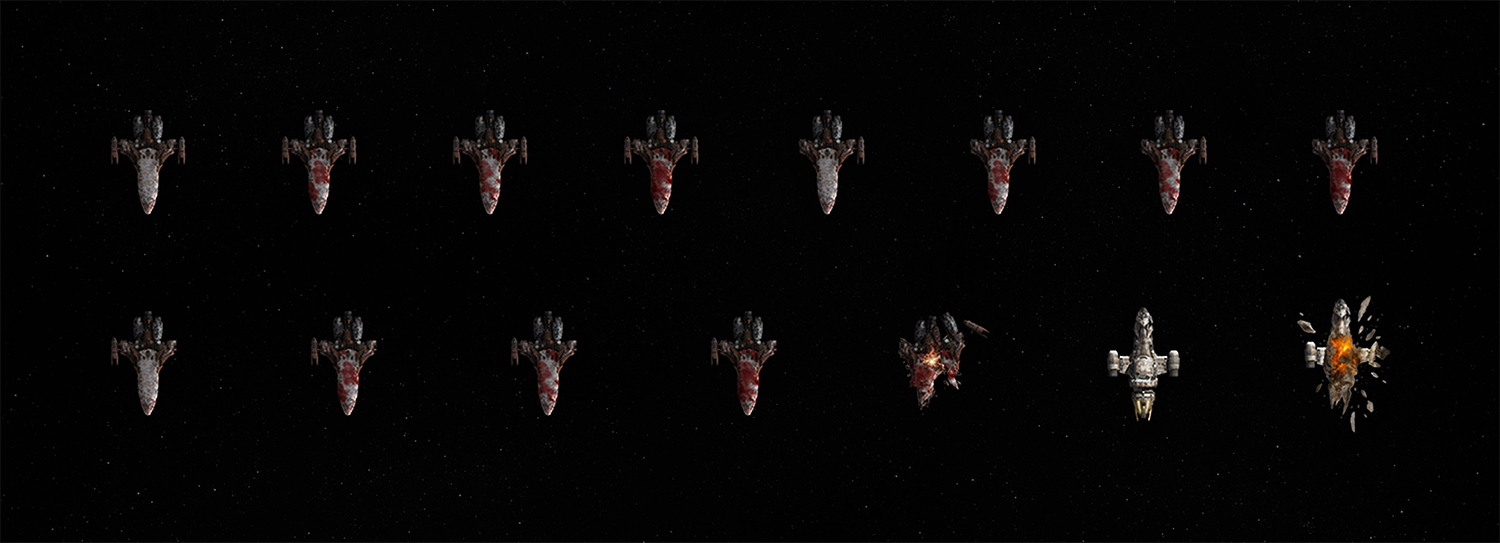
Interactive environments often require large numbers of supporting visual assets operating together under a unified aesthetic framework.
This includes sprite systems in alternating visual states, environmental overlays, themed UI containers, cinematic presentation elements, and gameplay-oriented interface graphics designed to remain visually coherent during real-time interaction.
In these cases, consistency between individual assets becomes just as important as the quality of the individual designs themselves.
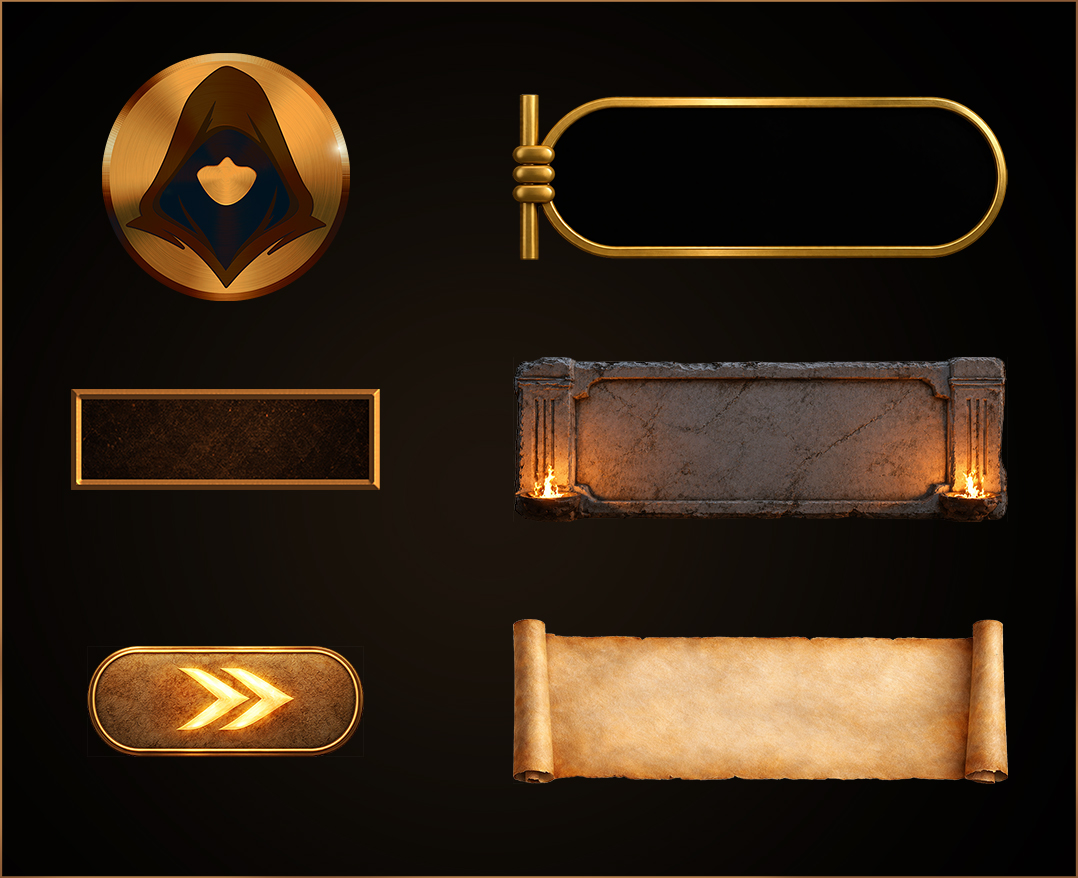
Different environments and narrative themes frequently require entirely separate interface treatments while still preserving overall usability and structural familiarity.
As a result, many UI systems are built around adaptable visual frameworks capable of shifting between historical, fantasy, industrial, or futuristic aesthetics without abandoning readability or navigational clarity.
Across all of these styles, the underlying goal remains largely unchanged: building visual systems that feel cohesive, immersive, and structurally intentional rather than merely decorative.